Welcome to our Cleanroom Catalyst blog, where we explore the latest insights on cleanroom design, controlled environments, ISO 14644-1 standards, and best practices for successful projects.
EPC Contractor’s as a Strategic Partner plays a critical role in achieving cleanroom energy efficiency, regulatory compliance, and long-term operational value through integrated design, construction, and lifecycle-focused decision-making.
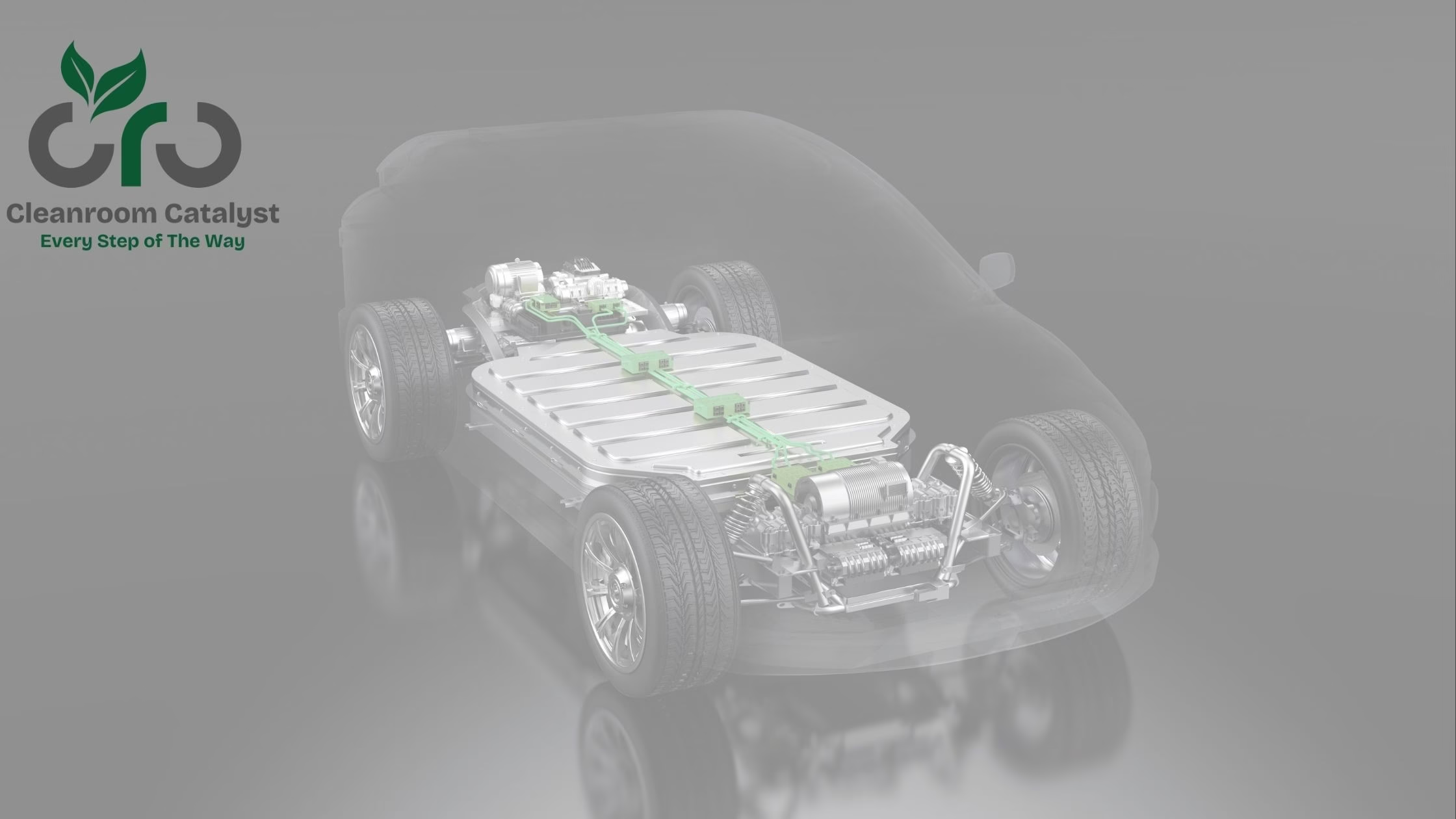
Clean and Dry rooms are essential for modern automotive manufacturing, especially battery plants. This article explains how humidity control, cleanliness, and EPC coordination protect quality, safety, and long-term performance.
Compressed air systems consume large amounts of energy in cleanrooms. This blog explores Energy Saving Opportunities that help improve reliability, reduce operational costs, and support compliance in pharma and biotech environments.
The HVAC role in fire safety is critical in cleanrooms where airflow and pressure must react fast during emergencies. This article explains how HVAC design supports smoke control, containment, and compliance with NFPA and GMP requirements.
Understanding thermal load behavior helps engineers improve chiller plant design, reduce energy use, and maintain stable cleanroom conditions for GMP and ISO 14644 facilities.
Learn how a pressure cascade in cleanrooms protects your process from contamination, supports GMP and ISO 14644 compliance, and strengthens your EPC cleanroom design.